
Shoe Lifts · London, Ontario
Even out a leg length difference — without anyone noticing.
A discreet shoe lift can help correct the imbalance behind uneven walking, hip strain, knee pain, and lower back pain — built into footwear you already wear.
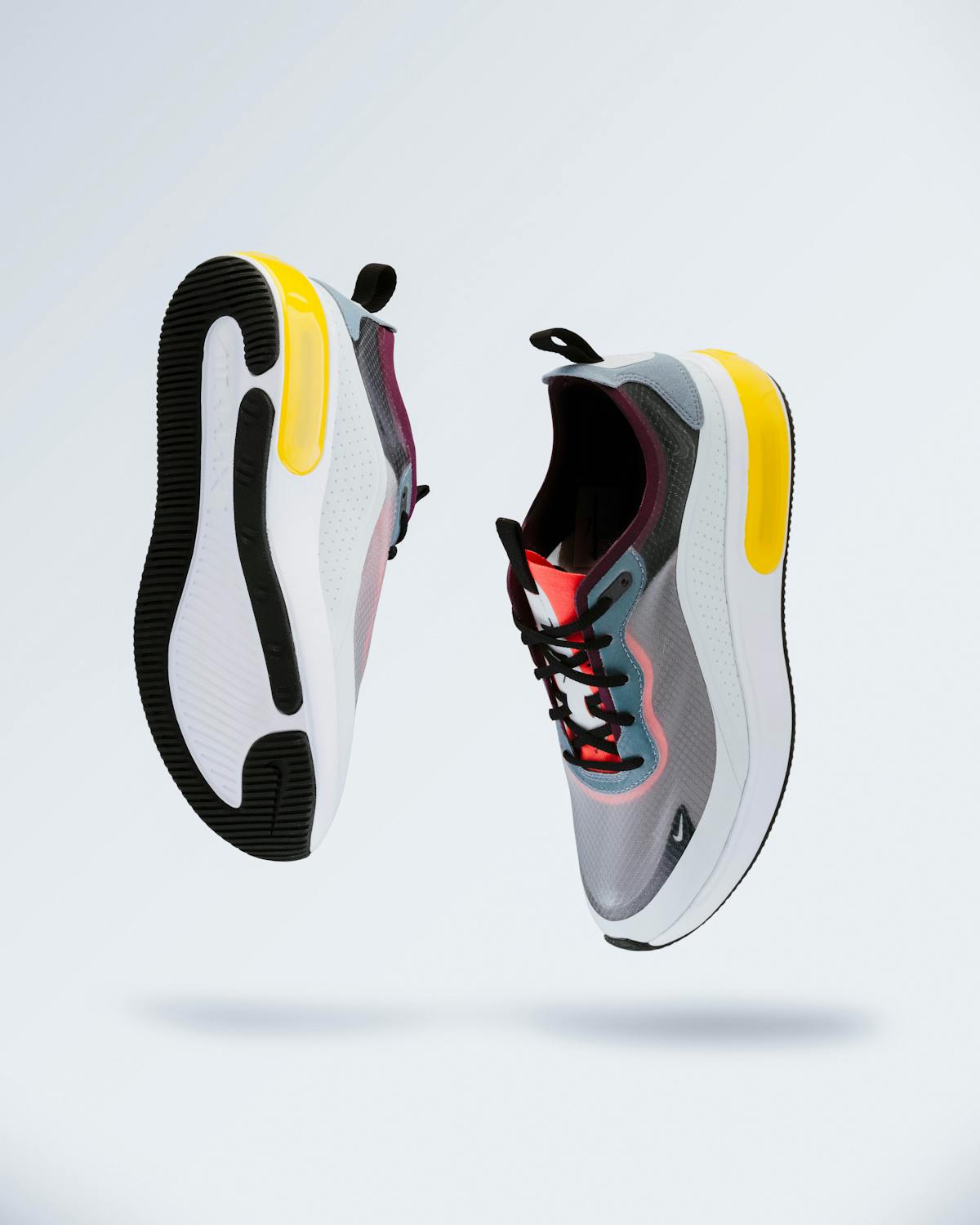

A small difference, a big impact
When one side sits lower, the rest of the body compensates.
A leg length difference can change how your hips, knees, ankles, and lower back carry load. Over time, that uneven pattern can show up as one-sided pain, a limp, uneven shoe wear, or pain that keeps returning after treatment.
The goal is not to pad the shoe randomly. The goal is to confirm the difference, match the lift height, and build the correction into footwear that fits your real life.
Who this helps
Signs a shoe lift may help
A small lift can help when uneven loading shows up in your feet, knees, hips, or lower back.
Decision support
Temporary pad vs. fitted shoe lift
A fitted lift is made to stay secure, feel stable, and match your correction needs.
| Temporary Heel Pad | Fitted Shoe Lift | |
|---|---|---|
| Fit | Generic shape and height | Matched to your measured correction |
| Stability | Can shift inside the shoe | Built to sit securely in your footwear |
| Discretion | May feel bulky or visible | Designed to stay discreet where possible |
| Use case | Short-term trial or temporary comfort | Longer-term support for daily walking |
| Adjustment | Limited adjustment | Fine-tuned after fitting if needed |

How we correct it
Measured first. Built second. Adjusted after fitting.
Confirm the difference
We review your history, footwear, gait pattern, and any existing diagnosis or imaging.
Choose the right lift style
Some lifts work best inside the shoe. Some cases may need a more built-up shoe modification.
Fit it to your real footwear
We build around the shoes you actually wear for work, errands, sport, or daily life.
Adjust if needed
If the correction does not feel right, we fine-tune the fit instead of leaving you to guess.
Related support paths
A shoe lift may be one part of the full correction.
If foot mechanics and leg length both affect your movement, gait analysis or custom orthotics may also help.


Precisely Fitted, or We Adjust It
If the correction does not feel right, we adjust it. The goal is a lift you can wear comfortably in real life, not a quick fix that stays in the closet.
Common Questions
Will a shoe lift be noticeable?
In many cases, no. We build the correction inside the shoe where possible. Larger corrections may need a different style of shoe modification, which we explain before work begins.
Do I need a doctor's diagnosis first?
Not always. An existing diagnosis is helpful, but we can assess gait, footwear, symptoms, and leg-length concerns during your appointment.
Can a shoe lift be moved to another pair of shoes?
Some lifts can transfer between similar shoes. Others work best when built for one specific pair. We’ll advise based on your footwear and correction level.
Is a shoe lift covered by insurance?
Coverage varies by benefit plan. Some plans cover part of the cost when the lift is medically needed. We can help you check what your plan allows.
Can I use a shoe lift with custom orthotics?
Yes, in many cases. If you need both, we look at how the lift and orthotic work together so your shoe still fits properly.
How long does it take to get used to a shoe lift?
Many people need a short adjustment period. We’ll guide you on wear time and make changes if the correction feels uncomfortable.
What shoes should I bring?
Bring the shoes you wear most often, especially work shoes, walking shoes, or the pair where you notice the problem most.
Book online
Let’s even things out.
Bring the shoes you wear most. We’ll review your gait, symptoms, footwear, and correction needs, then explain the best next step.