YOUR PROFESSIONAL FOOT CARE QUESTIONS ANSWERED

Professional foot care begins with understanding your unique biomechanics. Custom orthotics from Garnet Solutions are precision-engineered tools designed specifically for your feet, not generic mass-produced inserts.

This complete guide explains how professional assessment identifies the root cause of your foot problems, why the fitting process matters, and how custom orthotics deliver lasting results that over-the-counter alternatives cannot match.

This article covers everything you need to know about professional orthotics at Garnet Solutions, including what to expect during assessment, how we manufacture your custom solutions, and why working with a certified pedorthist transforms foot health outcomes.

TL;DR INTRODUCTION

Professional custom orthotics from Garnet Solutions combine certified assessment, biomechanical analysis, precision manufacturing, and ongoing support to deliver foot care solutions tailored to your unique structure and lifestyle. Unlike generic alternatives, professional orthotics address root causes of pain and dysfunction rather than merely cushioning symptoms.


Why Does Professional Assessment Change Everything?

Many people purchase orthotics without professional guidance, selecting an over-the-counter insert based on price or convenience while hoping generic solutions will resolve their foot pain or performance concerns. Often, these products provide minimal relief because they do not address the underlying biomechanical issues driving the problem. Professional assessment reveals what generic shopping cannot. Understanding the signs you might need professional orthotics is the first step toward recognizing when assessment matters.

A certified pedorthist evaluates your foot structure, observes how your feet move during walking and running, identifies alignment issues or pressure imbalances, and considers your specific lifestyle demands. This assessment uncovers root causes – flat arches, overpronation, leg length discrepancies, or poor gait mechanics – that explain why you experience pain or performance limitations. Once we understand these underlying issues, we engineer orthotics specifically designed to correct them. At Garnet Solutions, we begin every relationship with thorough assessment and design solutions around your feet and your goals, not fit you into standard products.

Team Garnet Tip: Professional assessment typically takes forty-five minutes to one hour. This investment upfront determines whether your orthotics will deliver the results you seek. Rushing this process compromises precision and outcomes. During your consultation, plan to discuss your pain patterns, activity level, footwear preferences, and specific goals so our team captures the complete picture.


How Do Your Foot Type and Biomechanics Affect Orthotics Selection?

Before orthotics can be engineered effectively, we must understand how your feet are structured and how they function. Foot type determines the kind and level of support your orthotics require. Are you flat-footed with collapsed arches? Do you have high arches that underpronate? Are your feet neutral with balanced structure? Each foot type responds differently to orthotics. Understanding how bunion pain relates to foot structure and orthotics illustrates how biomechanics directly affect your comfort and alignment. Mismatching support to foot structure wastes both time and money.

When you walk or run, your feet make contact with the ground and transfer force through your joints and muscles. If this process is inefficient, you experience pain, injury risk increases, and performance suffers. Gait analysis reveals these inefficiencies by observing your foot strike pattern, ankle stability, knee alignment, and hip mechanics. Many people walk in ways that create excessive pronation, supination, or compensatory movements that cause problems elsewhere in the body.

Consider the runner experiencing knee pain who assumes the problem originates in the knee itself. Often, the root cause is flat feet causing cascade misalignment that creates excessive stress on the knee joint. Learning more about how to run pain-free in London Ontario often reveals that foot biomechanics are the critical factor. A pickleball player struggling with lateral instability might discover that overpronation is throwing off balance and reaction time on court. Someone with chronic lower back pain may find that leg length discrepancies of just half an inch create pelvic tilt that causes compensatory muscle strain. A basketball player with Achilles tendonitis often has high arches that fail to absorb impact properly, transferring shock directly to the tendon. A person standing for eight hours daily with general foot fatigue might have neutral feet but poor pressure distribution that concentrates stress on the ball of the foot. In each case, the symptom appears in one location, but professional gait analysis identifies the biomechanical root cause. Once we understand the actual problem, we engineer orthotics that correct foot function and eliminate the pain downstream.

Biomechanical assessment also clarifies what type of orthotic design and materials will work best. Some people benefit from semi-rigid shells that provide firm correction and control pronation. Others respond better to responsive foams that offer sufficient support while maintaining comfort and flexibility. Your foot type, gait mechanics, and lifestyle demands determine which approach optimizes your results.

Team Garnet Tip: Movement reveals truth about how your feet function. If you experience pain during specific activities: running, court sports, prolonged standing, or walking long distances, mention these activities during your consultation. Our team may ask you to demonstrate the movement that triggers discomfort so we can observe exactly what biomechanical issue is driving the problem. This real-world observation informs the engineering of your custom orthotics.

Foot Type Arch Characteristic Primary Concern Orthotic Strategy
Flat Feet (Overpronation) Collapsed arches; excessive inward roll Pressure imbalance; cascading alignment issues Firm arch support; pronation control
High Arches (Underpronation) Rigid, inflexible structure Insufficient shock absorption; pressure concentration Cushioning and support throughout
Neutral Feet Balanced arch; normal alignment Maintenance of alignment; activity-specific support Precision support matched to lifestyle
Leg Length Discrepancy One leg structurally shorter than the other Pelvic tilt; compensatory pain in hips, knees, lower back Targeted lift and alignment correction

What Happens During Professional Assessment?

Medical illustration comparing four biomechanical foot structures: flat feet with overpronation, high arches with underpronation, neutral foot alignment, and leg length discrepancy. Each foot is shown with anatomical bone overlays, alignment reference lines, and pressure distribution highlights to demonstrate how different structures affect gait mechanics and load distribution.

Understanding your foot structure is the first step toward solving pain at its source rather than masking symptoms.

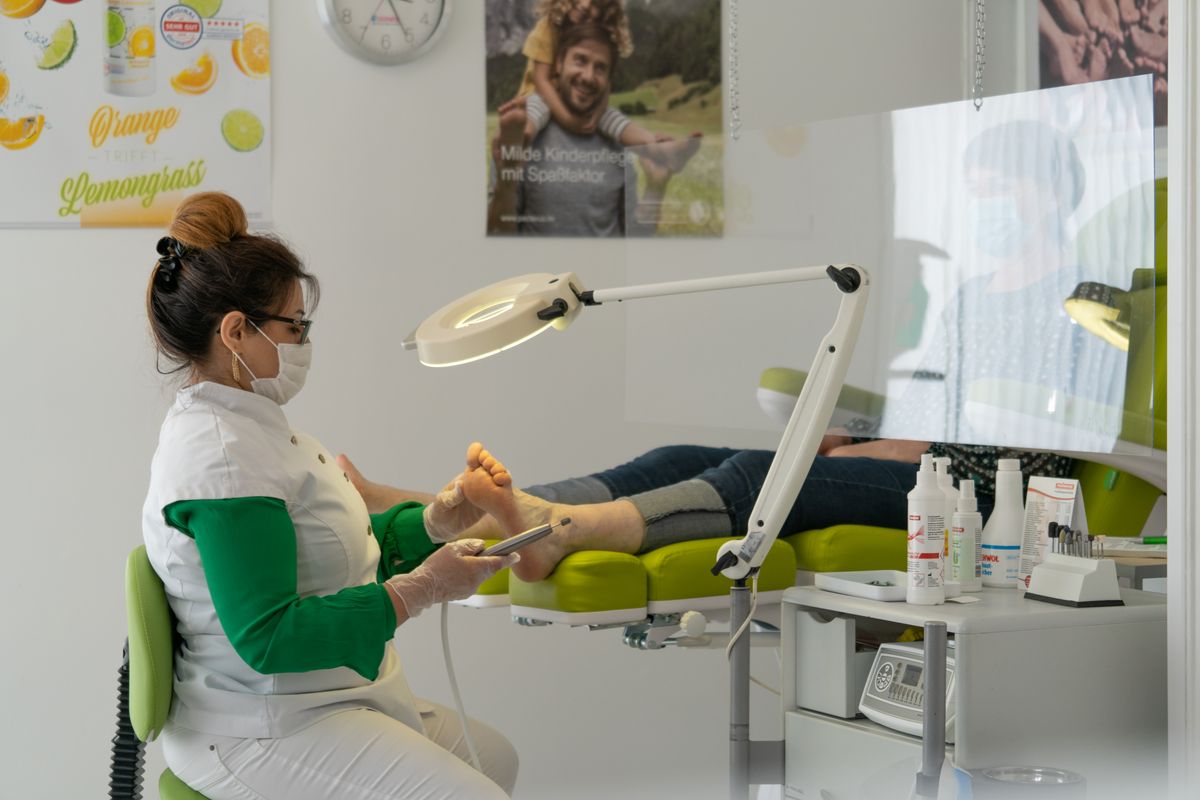
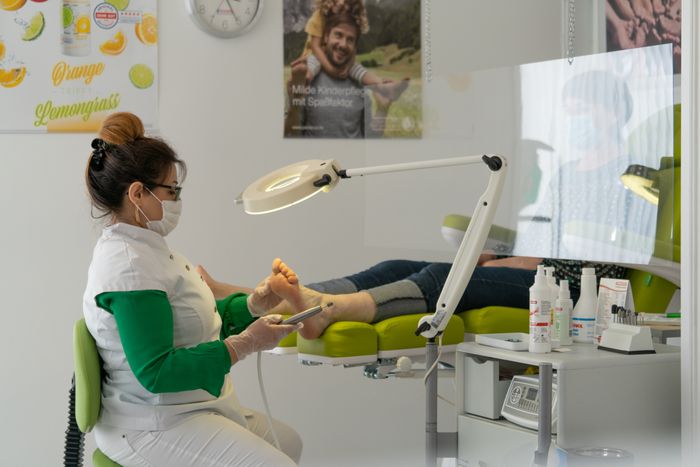
Understanding what happens during professional assessment removes uncertainty and prepares you for success. Your journey toward custom orthotics begins with conversation. Our certified pedorthist wants to understand your specific concerns, your activity level, your goals, and any previous experiences with foot pain or orthotics.

Initial conversation covers pain patterns: Where do you experience discomfort? What activities trigger it? How long have you dealt with the problem? We also discuss your lifestyle: Do you run, play sports, stand for work, or spend most time on your feet? Are you recovering from surgery or managing a chronic condition? These details guide everything that follows because orthotics engineered for a runner’s needs differ substantially from orthotics designed for someone with plantar fasciitis or arthritis.

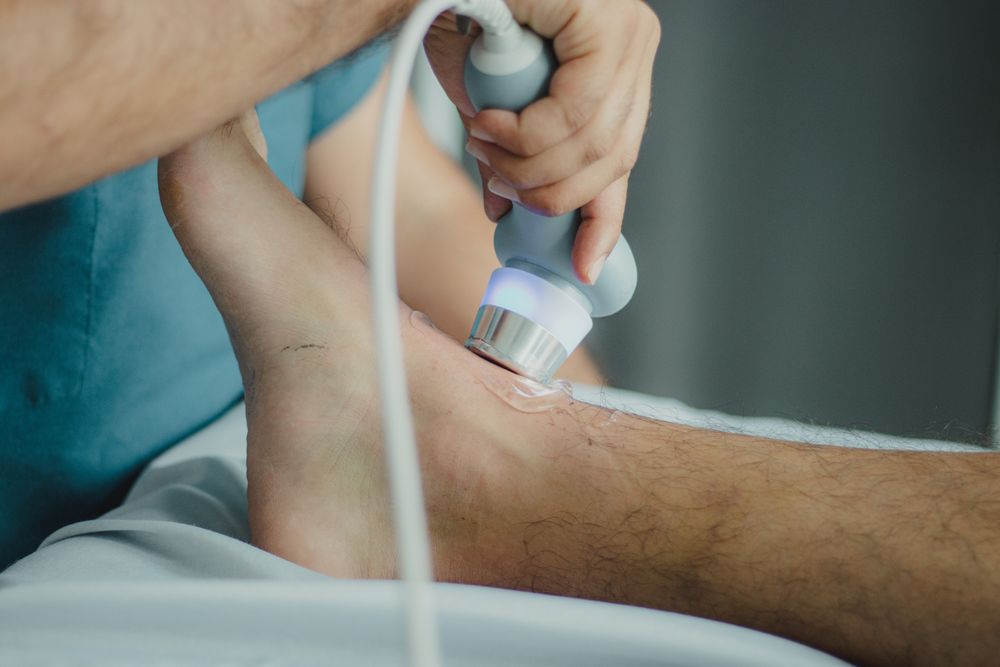
After understanding your history, we perform a comprehensive foot assessment using advanced digital scanning technology. Rather than traditional plaster casting, our precision digital scanner captures incredibly detailed measurements of your foot structure with three-dimensional accuracy. This digital approach examines your foot structure, observes how your feet behave during standing and movement, and identifies abnormalities or asymmetries between your left and right foot with precision that plaster casting cannot match. Many people have unrecognized issues: leg length discrepancies, biomechanical imbalances, or structural differences, that our digital assessment reveals. We also document your foot type: flat-footed pronator, high-arched supinator, or neutral alignment.

Gait analysis follows assessment. We observe how you walk and move, identifying movement patterns that contribute to pain or inefficiency. This stage often produces surprises. A pickleball player struggling with lateral instability might discover that overpronation is throwing off balance and reaction time. Someone with chronic knee pain learns that flat feet and cascade misalignment originate the problem. Gait analysis combined with digital foot scanning shows us exactly how your orthotics need to be engineered to optimize your movement mechanics and resolve root causes.

The complete assessment process typically requires forty-five minutes to one hour. This timeline reflects the precision required. Rushing assessment compromises accuracy and leads to suboptimal results. Professional assessment is the foundation for everything that follows, so the investment in time pays dividends in orthotic effectiveness and long-term satisfaction.

Team Garnet Tip: Wear the shoes you most commonly use or the footwear you plan to wear with your orthotics to your assessment appointment. This helps our team understand how your feet interact with your preferred shoes and ensures your orthotics will fit comfortably and function effectively in your real-world environment. Shoes impact how orthotics perform, so matching assessment to actual footwear is essential.


Why Does In-House 3D Printing Manufacturing Matter?

**Alt Text:**
Modern orthopedic manufacturing lab where a pedorthist reviews a digital foot scan on a computer while a 3D printer produces custom orthotic insoles. The workstation shows biomechanical foot mapping and pressure distribution graphics, while finished precision-printed orthotics are displayed nearby. The environment features advanced clinical equipment, clean white and blue tones, and specialized fabrication tools, illustrating how digital foot measurements are translated into precisely manufactured custom orthotics.

Precision orthotics begin with digital measurement and end with manufacturing accuracy measured in millimeters.

Once assessment is complete, our in-house manufacturing facility creates your custom orthotics using advanced three-dimensional printing technology. This process distinguishes Garnet Solutions from competitors who send measurements to third-party labs or rely on traditional plaster casting methods. We control the entire manufacturing process, from digital design to final inspection, using precision technology that transforms your digital foot scan directly into manufactured orthotics.

Our on-site 3D printing lab translates the incredibly accurate digital measurements captured during your assessment into physical orthotics with precision traditional manufacturing methods cannot match. The digital scanner captures three-dimensional foot geometry with such accuracy that our 3D printing equipment fabricates orthotics that fit your unique foot structure perfectly. During manufacturing, our team specifies the exact materials, shell thickness, arch height, and design features your orthotics require. Your custom orthotics are fabricated from the digital mold that captured your foot shape with three-dimensional precision. The fabrication process typically takes one to two weeks, ensuring precision work without unnecessary delays while leveraging technology that accelerates accuracy compared to traditional casting methods.

In-house manufacturing with 3D printing offers advantages that generic solutions and traditional third-party labs cannot match. Quality control is direct and thorough. We inspect every pair before delivery, ensuring your orthotics meet our standards for precision, durability, and performance. The digital fabrication process eliminates traditional casting variables and human error inherent in plaster mold-based manufacturing. Customization is unlimited; we can adjust materials, thickness, and design features to your exact specifications without being constrained by standard options. Turnaround is efficient because we do not depend on external labs or shipping delays, and our 3D printing technology accelerates fabrication compared to traditional methods. When adjustments are needed after your initial fitting, we can often modify your orthotics immediately in our on-site lab rather than waiting weeks for external repairs.

This manufacturing control and technological precision directly translates to durability and consistent performance. Professional orthotics from Garnet Solutions maintain effectiveness for one to two years or longer, while generic inserts typically wear out in three to six months. The advanced 3D printing technology, professional-grade materials, and precision of digital fabrication create orthotics engineered for longevity, not disposability.

Team Garnet Tip: Our on-site 3D printing lab enables rapid modification of your orthotics without delays associated with external repairs. If after wearing your orthotics you identify adjustments that would improve comfort or performance, bring them back. Our team can often modify them in our digital lab on site rather than starting over from scratch or waiting for external repairs. This capability – having a full manufacturing lab dedicated to your care – is a distinct advantage that sets Garnet Solutions apart from competitors dependent on third-party labs.

Aspect Traditional Third-Party Lab Garnet Solutions 3D Printing Lab
Measurement Method Plaster casting (variable accuracy) Precision digital scanner (three-dimensional accuracy)
Manufacturing Technology Traditional molding and fabrication Advanced 3D printing technology
Quality Control Limited inspection before shipment Direct, thorough inspection before delivery
Manufacturing Timeline Two to four weeks including shipping One to two weeks with digital fabrication
Customization Capability Limited to standard options Unlimited customization via digital design
Adjustment and Repair Return to manufacturer for weeks On-site modification in 3D lab, often same-day
Material Selection Budget-grade options Professional-grade materials selected for your needs
Fit Precision Casting variable; potential errors Digital precision; three-dimensional accuracy
Durability Three to six months typical One to two years or longer
Accountability External manufacturer Direct responsibility and expertise

What Happens During Fitting and the Adjustment Period?

Your custom orthotics are finally ready. During your fitting appointment, our certified pedorthist ensures they fit correctly, feel comfortable, and are positioned properly in your shoes. Proper positioning is critical because orthotics must align with your foot structure to deliver the biomechanical correction they were engineered to provide.

During fitting, we explain how to insert and position your orthotics, how to transition into wearing them, and what expectations are realistic as your body adapts to corrected alignment. Initial adaptation typically takes one to two weeks. During this period, your muscles and connective tissues adjust to improved alignment and corrected pressure distribution. Some people experience minimal adjustment; others benefit from a gradual wearing schedule that builds tolerance.

Certified pedorthist measuring a patient’s foot using professional calipers during a biomechanical assessment. The patient is seated in a clinical examination chair while the clinician carefully records foot width, arch position, and alignment measurements. Nearby diagnostic tools and a digital pressure-mapping scanner display foot pressure distribution and gait analysis data, illustrating the detailed process used to create custom orthotics.

Accurate orthotics begin with precise measurement — every millimeter of alignment matters.

This adjustment period is normal and expected. Your feet have likely functioned with poor alignment or inadequate support for months or years. Suddenly providing corrected support requires adaptation. Some people notice immediate comfort improvements. Others experience newness that may feel unusual but is not discomfort. True discomfort – pain, rubbing, or pressure points – is rare and indicates an adjustment is needed.

After your initial fitting, we schedule follow-up appointments at strategic intervals. The first check-in typically occurs one to two weeks after you begin wearing your orthotics. During this appointment, we assess comfort, performance, and whether minor adjustments enhance the fit. Sometimes small modifications – adjusting arch height, adding cushioning in specific areas, or shifting pressure distribution – make the difference between good and exceptional results. Your feedback during this appointment is invaluable because it helps our team fine-tune your orthotics.

Follow-up care continues as needed. If you experience new concerns or want to optimize your orthotics further, we are available to make adjustments. This ongoing partnership ensures your orthotics continue serving you effectively as your needs and activities evolve. Understanding that professional orthotics are not an instant fix but a long-term strategy is critical. Your commitment to the adjustment period and follow-up appointments directly determines whether you achieve optimal results.

Team Garnet Tip: Document your experience during the adjustment period. Keep notes on comfort levels, pain reduction, performance improvements, and activities that feel easier. Share these observations during your follow-up appointment. This feedback helps our team fine-tune your orthotics and ensures you achieve the best possible outcome. Detailed feedback transforms our ability to optimize your solution.


How Do Professional Orthotics Compare to Over-the-Counter Alternatives?

Generic over-the-counter inserts are manufactured at scale for average feet, providing basic cushioning without addressing individual biomechanical needs. Your feet are unique, and a generic solution cannot address your specific structure. These products often provide temporary relief but fail to resolve root causes.

Professional orthotics from Garnet Solutions are engineered for your specific biomechanics using advanced technology. Our certified pedorthist assesses your unique foot structure using a precision digital scanner that captures three-dimensional measurements with accuracy traditional plaster casting cannot match. Your orthotics are then fabricated using our on-site 3D printing lab, translating digital foot geometry directly into manufactured solutions. This workflow eliminates the variables and errors inherent in traditional casting methods. Digital scanning captures foot structure more accurately than plaster. Digital design allows unlimited customization without standard molding constraints. 3D printing fabrication creates orthotics with precision that traditional manufacturing cannot match. When adjustments are needed, our on-site 3D lab modifies your orthotics immediately rather than waiting for external repairs.

As healthcare professionals from Cleveland Clinic and Harvard Health note, custom orthotics prescribed by certified professionals demonstrate significantly better outcomes for chronic pain conditions compared to over-the-counter alternatives. Professional custom orthotics represent a genuine investment in long-term foot health, while generic inserts represent a temporary solution that requires frequent replacement.

Team Garnet Tip: Think of custom orthotics as an investment in your longevity as an active person. A professional fitting process ensures that investment pays dividends for one to two years or longer. Generic alternatives require frequent replacement, making them more expensive long-term despite lower upfront cost. Professional orthotics are cost-effective precisely because they last and actually work.

Factor Over-the-Counter Inserts Garnet Solutions Custom Orthotics
Manufacturing Approach Mass-produced for average feet Precision-molded for your unique foot shape
Assessment Process None; generic fit only Comprehensive biomechanical assessment
Customization Minimal; standard sizes and designs Unlimited customization to your specifications
Material Quality Budget-grade foams and shells Professional-grade materials for durability
Durability Three to six months typical One to two years or longer
Problem-Solving Approach Cushioning only Root-cause correction plus cushioning
Adjustment Capability Replace or discard On-site modification available
Outcome Expectations Temporary relief Lasting improvement in pain and function
Professional Oversight None Certified pedorthist guidance throughout

Why Is Gait Analysis Critical to Your Success?

Gait analysis distinguishes professional orthotics from generic alternatives and explains why the assessment process is so thorough. When you walk or run, your feet make contact with the ground millions of times over your lifetime. If this process is inefficient, pain and injury accumulate. Gait analysis reveals these inefficiencies with precision.

During gait analysis, we observe your foot strike pattern. Do you land on your heel, midfoot, or forefoot? How does this impact shock absorption? We evaluate ankle mobility and stability. Does your ankle collapse inward, roll outward, or maintain neutral positioning? We assess knee alignment. Are your knees tracking properly, or does poor foot alignment throw off the kinetic chain? We examine hip stability and lower back posture. All of these factors interconnect.

One example illustrates why gait analysis matters. A runner with chronic knee pain visits a generic clinic and purchases knee-support products. The problem persists because the root cause originates in the feet. Professional gait analysis reveals that flat feet and overpronation cause cascade misalignment up the kinetic chain, throwing excessive stress on the knee. Once we correct foot mechanics with custom orthotics, the knee pain resolves because we addressed the actual problem. Similarly, individuals experiencing heel pain from plantar fasciitis discover that gait analysis reveals foot mechanics are the root cause, not simply heel inflammation that requires resting.

Gait analysis also informs material and design selection. Someone with severe overpronation requires more aggressive correction than someone with mild overpronation. A high-impact athlete needs different support than someone with arthritis managing daily mobility. Gait analysis reveals these nuances, ensuring your orthotics deliver exactly what your biomechanics require.

Team Garnet Tip: Gait analysis is most effective when you move naturally. Wear comfortable clothing that allows free movement. If you typically run, walk quickly, or move in specific ways, mention this so we can observe your natural movement patterns. Artificial movement or uncomfortable clothing can mask actual biomechanical issues, compromising assessment accuracy.


What About Cost, Timeline, and Results?

Many people hesitate before scheduling a professional assessment. Common concerns include cost, timeline, and uncertainty about whether results justify the investment. Addressing these concerns directly removes barriers to making the decision that transforms your foot health.

Cost is often the first concern. Professional orthotics cost more than generic alternatives upfront. Custom assessment, precision manufacturing, and professional-grade materials all add cost compared to mass-produced inserts. However, cost analysis changes when you consider durability and effectiveness. Professional orthotics function for one to two years or longer, while generic alternatives wear out in three to six months. Professional orthotics actually resolve foot problems, while generic alternatives provide temporary cushioning. Over a three-year period, purchasing generic inserts multiple times costs significantly more than investing once in professional orthotics that last and actually work.

Insurance coverage addresses cost concerns for many patients. Numerous insurance plans cover custom orthotics when a certified pedorthist prescribes them for legitimate medical reasons. Ontario-based patients should review OSSTF Benefits guidance on purchasing custom-made orthotics to understand authorization requirements and coverage details. During your consultation, let our team know your coverage situation. We can work with your insurance provider to maximize benefits and provide the documentation required for claims. Many patients discover that insurance covers a substantial portion of cost, making professional orthotics more accessible than they initially assumed.

Side-by-side comparison image showing a professional custom orthotic insert and a generic store-bought shoe insert. The custom orthotic displays structured arch support, precision contours, and reinforced materials, while the generic insert appears flat and mass-produced. An anatomical overlay of a foot highlights pressure distribution differences, showing balanced load across the custom orthotic and concentrated pressure points on the generic insert.

The difference between custom orthotics and generic inserts is not comfort alone — it is engineered biomechanical support.

Timeline is another common concern. From initial assessment to wearing your orthotics typically requires three to four weeks. Your initial consultation and fitting assessment takes approximately one hour. Custom fabrication takes one to two weeks. Once your orthotics arrive, we fit them, explain wearing instructions, and schedule a follow-up appointment in one to two weeks. This timeline reflects the precision required; rushing assessment or manufacturing compromises results. Most people find the timeline reasonable given the significance of the outcome.

Results deserve realistic framing. Professional orthotics are not magic; they are a strategic intervention addressing biomechanical dysfunction. Most people report noticeable improvements within two to four weeks of consistent wear. Pain diminishes, movement becomes easier, and activities feel more comfortable. Some improvements are immediately obvious; others develop gradually. Understanding how to transition from pain to performance with custom orthotics helps set realistic expectations for your journey. Pay attention to what becomes easier – climbing stairs, standing for work, playing sports, walking long distances. These functional improvements are often the truest measure of success. Research from Harvard Health and Cleveland Clinic supports that professional orthotics consistently deliver measurable improvements in pain reduction, functional capacity, and quality of life for appropriate candidates.

Team Garnet Tip: Consistent wear maximizes results. Your orthotics work best when you wear them regularly in your normal footwear. Initially, you might wear them a few hours daily and gradually increase. Once adapted, wearing them all day in your regular shoes delivers optimal benefits. Some people keep orthotics in multiple shoes for activities where proper support matters most. Discuss your activity patterns during your consultation so we can recommend the wearing schedule that maximizes your results.


How Do I Schedule a Professional Assessment?

Professional foot care begins with a single decision – scheduling a consultation. During this appointment, our certified pedorthist performs the assessment that reveals what over-the-counter shopping never can. You learn why your feet hurt or perform below potential. You understand the biomechanical issues driving your concerns. You receive a clear path forward with custom orthotics engineered specifically for your needs.

The consultation is risk-free from a decision perspective. You gather information, ask questions, and make an informed choice about whether professional orthotics align with your goals and lifestyle. Many people discover during consultation that their concerns – cost, timeline, effectiveness – are addressed more easily than expected. Others determine that professional orthotics are exactly the solution they have been seeking.

To schedule your consultation, contact Garnet Orthopedic Solutions using any of the following methods:

Phone: (519) 619-8129

Email: customerservice@garnetsolutions.ca

Location: OEV Health Quarters, 532 Adelaide St. N, London, Ontario, N6B 3J4

Our team is ready to guide you toward the professional foot care that transforms mobility and confidence.

Team Garnet Tip: Before your appointment, wear shoes you typically use or the footwear you want to wear with your orthotics. Bring any previous foot health records or assessments if available. Come prepared to discuss your concerns, activity level, and goals openly. The more information you provide, the more precise our assessment becomes.

Frequently Asked Questions

What exactly is a custom orthotic?

A custom orthotic is a specially designed insole tailored to your individual foot structure and biomechanical needs. Created based on a comprehensive assessment and professional-grade molds, custom orthotics provide support, alignment, and comfort tailored to your unique feet. They differ fundamentally from over-the-counter inserts because they address your specific biomechanical issues rather than providing generic cushioning.

How does professional assessment differ from simply trying inserts in a store?

Professional assessment includes gait analysis, biomechanical evaluation, and structural examination of your feet. Our certified pedorthist identifies root causes of pain or performance issues, not just surface symptoms. Store fitting relies on comfort feel and generic sizing. Professional assessment ensures your orthotics address the actual problem driving your concerns, not just mask symptoms temporarily.

How long does the complete process take from consultation to wearing my orthotics?

The typical timeline is three to four weeks. Your initial assessment appointment takes approximately one hour. Custom fabrication requires one to two weeks. Fitting and adjustment scheduling adds one additional week. This timeline reflects the precision required; rushing compromises results. Most people find the timeframe reasonable given the significance of the outcome.

Will my insurance cover custom orthotics?

Many insurance plans do cover custom orthotics when prescribed by a certified pedorthist for legitimate medical reasons. Coverage varies significantly depending on your provider and specific plan. During your consultation, let our team know your insurance situation. We can work with your provider to maximize coverage and provide required documentation for claims. Many patients discover insurance covers substantial costs.

What should I expect during the adjustment period after I start wearing my orthotics?

Initial adaptation typically takes one to two weeks. Your feet are adjusting to corrected alignment and changed pressure distribution. Some people experience minimal adjustment; others benefit from gradual wearing that builds tolerance. True discomfort – pain, rubbing, or pressure points – is rare and indicates an adjustment is needed. Small modifications during follow-up appointments often resolve minor issues.

Are custom orthotics adjustable if I need changes after fitting?

Yes, custom orthotics can often be adjusted after fitting to ensure optimal comfort and performance. In-house manufacturing allows us to modify your orthotics on site rather than shipping them for external repair. If you notice issues or want to optimize performance after wearing your orthotics, bring them back. Our team can often address concerns immediately.

How long do custom orthotics typically last?

Professional custom orthotics generally maintain effectiveness for one to two years or longer with proper care. This durability far exceeds generic inserts, which typically wear out in three to six months. Longevity depends on wear frequency, intensity of use, and proper care. Regularly wearing your orthotics consistently delivers the best results and longevity.

What if my orthotics feel uncomfortable initially?

Newness and discomfort are different. Your feet are experiencing corrected alignment for the first time, which feels different but is not necessarily uncomfortable. True discomfort (pain, rubbing, pressure points) requires adjustment and is rare. During your follow-up appointment, share any concerns. Our team can make small modifications that enhance comfort significantly. This responsiveness is why professional fitting includes follow-up support.

Can I wear my custom orthotics in multiple pairs of shoes?

Optimal performance occurs when orthotics remain in your primary footwear, but they can be transferred between shoes if needed. Many active people choose to purchase multiple pairs for different activities – running shoes, work shoes, sport-specific footwear. Discuss your footwear situation during your consultation so we can recommend the approach that works best for your lifestyle.

What happens if my needs change or my feet change over time?

Professional orthotics adapt as your needs evolve. If your activity level increases, if you experience new concerns, or if your feet change, bring your orthotics back for assessment. Our team can modify them to address new situations. This ongoing relationship ensures your orthotics continue supporting your goals as your life changes.


Key Takeaways

Professional foot care requires more than purchasing inserts off a shelf. The following principles guide effective decision-making about custom orthotics at Garnet Solutions.

Your feet are unique, and generic solutions designed for average feet cannot address your specific biomechanical issues. Professional assessment reveals root causes of pain and dysfunction that generic shopping never identifies. This precision transforms outcomes because your orthotics address actual problems rather than masking symptoms superficially.

Custom manufacturing under certified professional oversight delivers orthotics that function effectively for one to two years or longer. Quality materials, precision fabrication, and direct quality control create products engineered for durability and consistent performance. Generic alternatives require frequent replacement and provide only temporary relief.

Gait analysis distinguishes professional orthotics from generic alternatives by revealing inefficiencies in how your feet function during movement. Understanding your biomechanics ensures your orthotics are engineered to optimize your specific movement patterns and resolve the root causes of your concerns.

The investment in professional orthotics is justified by effectiveness and longevity. Over a three-year period, professional orthotics are more cost-effective than purchasing generic alternatives repeatedly. Insurance often covers a substantial portion of cost for patients with medical need.

Consistent wear and engagement with the adjustment process determine results. Professional orthotics require one to two weeks of adaptation, but this timeline is brief relative to the long-term benefits. Following our team’s guidance on wearing schedule and modification ensures you achieve optimal outcomes.

Professional assessment is the essential first step. Scheduling a consultation removes uncertainty and provides the information necessary to make an informed decision about whether custom orthotics align with your goals and lifestyle.


Citations and Sources

The following sources informed this guide and support claims about professional orthotics, biomechanical assessment, and custom orthotic effectiveness:

Cleveland Clinic. Orthotics: Custom Orthotic Types, Prescription Process, and Benefits for Foot Pain. https://my.clevelandclinic.org/health/treatments/orthotics

Harvard Health Publishing. Do I Need Orthotics? What Kind? Buyer Tips, Podiatrist Assessments, and Smart Purchase Steps. https://www.health.harvard.edu/blog/do-i-need-orthotics-what-kind-2018102915182

OSSTF Benefits (Ontario Secondary School Teachers’ Federation). Guide to Buying Custom-Made Orthotics in Ontario. Ontario Regulations, Authorized Providers, Casting Methods, and Red Flags. https://www.osstfbenefits.ca/resources/be-informed-when-buying-your-custom-made-orthotics/

GreenShield Canada. Custom Orthotics Insurance Guide: Prescription Requirements, Approved Professionals, and Claim Documentation. https://assets.greenshield.ca

ELCIC (Evangelical Lutheran Church in Canada) Benefits Guide. Custom Orthotics Manufacturing: Casting Methods, Mold Fabrication, and Authentication Standards. https://www.elcicgsi.ca

About the Author: The Garnet Solutions Team

At Garnet Solutions, certified pedorthist Jeff Lewis and his expert team are dedicated to enhancing your mobility and comfort through custom orthotics and compression garments. With over 30 years of combined experience, the Garnet Solutions Team leverages advanced technology and craftsmanship to provide personalized care and fast turnaround times. Our in-house manufacturing ensures top-quality products tailored to your needs. Visit us today to experience the best in orthopedic solutions. You can connect with Jeff on LInkedIn and visit the Garnet Solutions Facebook page.

Leave A Comment